
Success advice typically focuses on achievement while ignoring whether those achievements can be maintained. Gurus preach hustle, optimization, and relentless growth without addressing the burnout, health problems, and relationship damage these approaches create.
Sustainable success requires different strategies than rapid achievement. Sprint tactics that work short-term destroy long-term performance when applied continuously. Understanding how to build success that lasts rather than success that crashes separates enduring careers from spectacular flame-outs.
Let me show you why sustainability matters more than most success strategies acknowledge.
Achievement Without Sustainability Becomes Self-Defeating
Reaching goals through unsustainable methods means you can’t maintain what you’ve achieved. That promotion earned through months of 80-hour weeks becomes unbearable when expected to continue indefinitely. The business built through personal sacrifice collapses when you inevitably burn out.
Moreover, unsustainable achievement often requires backtracking to rebuild foundations. You hit revenue targets while destroying customer relationships that must be repaired. You achieve productivity goals while accumulating technical debt requiring massive cleanup. What’s interesting is how often people celebrate achievements while ignoring sustainability costs that will soon erase gains.
Additionally, sprint mentality applied continuously prevents developing capabilities that enable easier long-term success. Quick wins through brute force don’t build systems, skills, or relationships that make future wins easier. Understanding how to make smart choices for a better life means recognizing that sustainable approaches serve better than impressive but temporary results.
Let me be honest: unsustainable success just delays failure while making it more spectacular when it arrives.
Health Degradation Compounds Into Performance Destruction
Physical and mental health enable everything else. Sacrificing wellbeing for achievement creates debt that eventually gets collected with interest. That sleep you skipped, exercise you postponed, and stress you ignored all accumulate into problems that tank performance.
Furthermore, health problems don’t announce themselves conveniently. Performance degrades gradually through fatigue, brain fog, and reduced resilience before obvious illness forces attention. By the time symptoms become undeniable, significant damage already exists requiring extensive recovery.
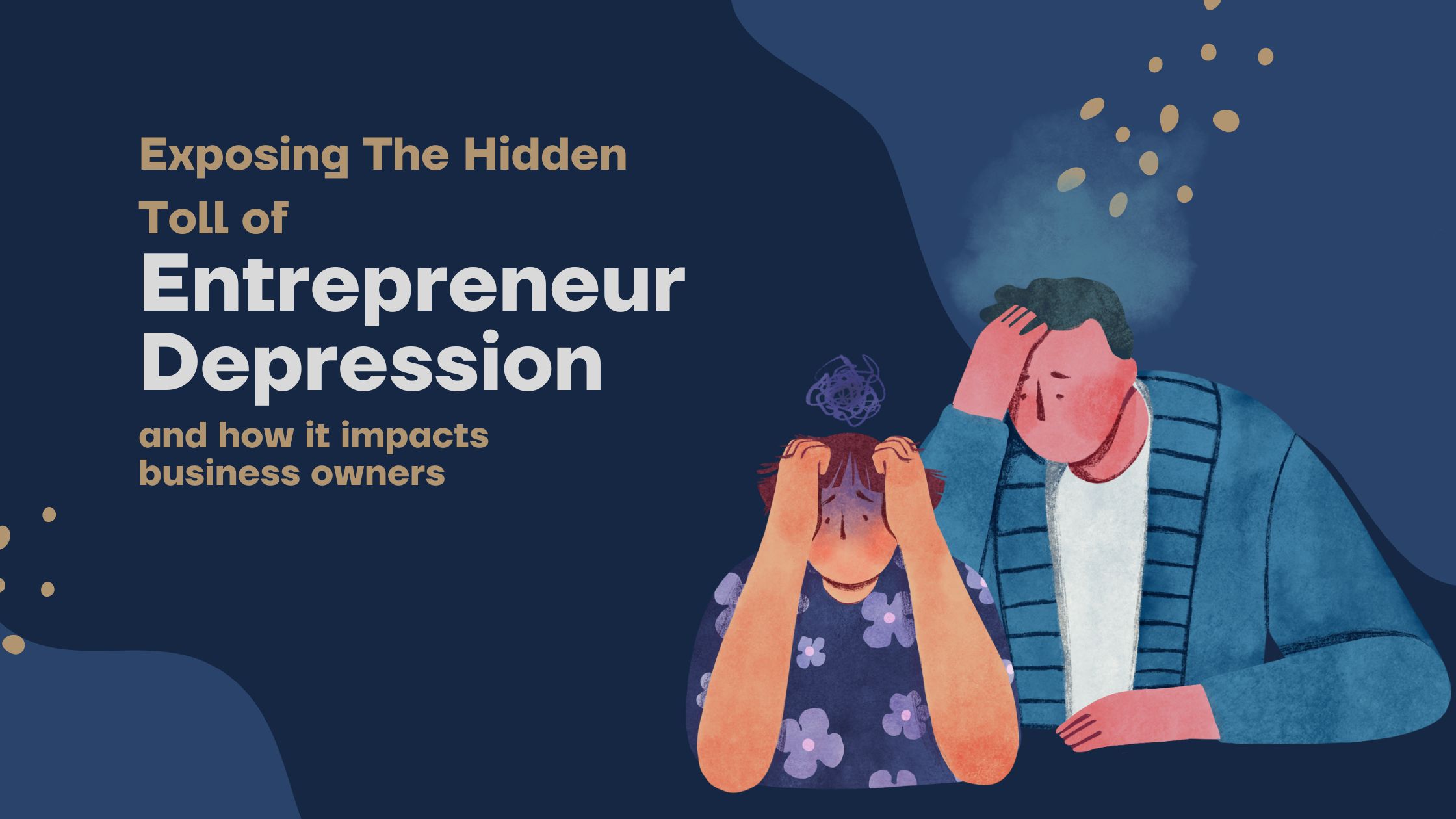
Moreover, some health consequences are irreversible. Chronic stress conditions, cardiovascular problems, and mental health disorders can become permanent fixtures rather than temporary setbacks. That success achieved through health destruction might not be enjoyable or even possible to maintain once consequences manifest.
Relationship Costs Eventually Demand Payment
Success built on neglecting relationships creates isolation that undermines both happiness and performance. Those connections you sacrificed for achievement would have provided support, opportunities, and meaning that make success worthwhile.
Additionally, relationship damage from success pursuit often surfaces after achievement when you realize you have nobody to share it with. Partners leave, friendships fade, and family relationships deteriorate while you focus exclusively on professional goals. What’s interesting is how many highly successful people describe feeling empty despite achievements because they destroyed relationships along the way.
Moreover, professional relationships suffer from unsustainable approaches too. Burning out colleagues, exploiting vendors, or treating clients transactionally creates consequences that eventually constrain growth.
Financial Success Without Sustainability Creates Fragility
Revenue growth achieved through unsustainable customer acquisition costs eventually collapses. Profit margins maintained through employee exploitation face inevitable correction when turnover costs compound. Financial success built on fragile foundations doesn’t weather inevitable challenges.
Furthermore, personal finances suffer when health problems or burnout force income interruptions. That high income earned through unsustainable work becomes irrelevant when you can’t work. Understanding the value of maintenance over replacement, as explored through resources like click here, applies equally to maintaining your capacity to earn versus constantly rebuilding from burnout.
Additionally, lifestyle inflation during high-earning periods creates obligations that become unbearable if income declines. Sustainability requires building financial resilience alongside income growth.
Compare Success Approaches
Capability Development Matters More Than Immediate Results
Sustainable success comes from building capabilities that make achievement easier over time rather than forcing results through effort alone. Skills, systems, relationships, and knowledge all compound to multiply future performance.
Moreover, capability investment sometimes means accepting slower initial progress. Learning takes time that could be spent executing, but capabilities enable future execution that brute force never could. That said, distinguish between genuine capability building and procrastination disguised as preparation.
Additionally, sustainable approaches focus on leverage and multiplication rather than just addition. Building systems that work without you, developing people who extend your capacity, and creating assets that generate value independently all create sustainability that personal effort alone never achieves.
Recovery Isn’t Optional Despite Feeling Like Waste
High performers need more recovery than average because they demand more from their systems. Skipping recovery doesn’t save time; it borrows from future capacity at terrible interest rates. That rest you think you can’t afford becomes mandatory when your body forces it through illness or breakdown.
Furthermore, recovery enables integration and processing that improve future performance. Sleep consolidates learning, downtime enables creative insights, and physical recovery builds capacity for future exertion. What appears wasteful actually multiplies effectiveness of working time.
Moreover, different types of stress require different recovery. Physical exhaustion needs rest while mental fatigue needs physical activity. Emotional depletion needs connection while creative burnout needs novel experiences. Sustainable success requires matching recovery to depletion type.
Strategic Saying No Enables Sustainable Yes
Every commitment accepted is capacity unavailable for something else. Unsustainable success comes from saying yes to everything until overcommitment guarantees mediocre delivery everywhere. Sustainable success requires protecting capacity through selective commitment.
Additionally, some opportunities simply aren’t worth their costs regardless of potential gains. High-maintenance clients, misaligned partnerships, and projects requiring disproportionate effort all subtract more than they add even when succeeding. Understanding how to build balanced approaches, as discussed through resources like Spectrum Healthcare, demonstrates planning for sustainability rather than just achievement.
Moreover, saying no to good opportunities preserves capacity for great ones. Marginal commitments crowd out exceptional possibilities that require focus and energy. Frankly, success often requires disappointing people by declining their requests to preserve capacity for priorities that actually matter.
External Metrics Don’t Measure Sustainability
Revenue, titles, and visible achievements measure results but not whether approaches creating them can continue. You can hit every external metric while destroying internal capacity through unsustainable methods.
Furthermore, external success often masks internal deterioration until collapse becomes unavoidable. Competitors, clients, and even colleagues might not realize your success is unsustainable until it suddenly isn’t. That said, honest self-assessment usually reveals sustainability problems long before external failure makes them obvious.
Additionally, some sustainability metrics matter despite being invisible to others: energy levels, relationship quality, health indicators, and recovery capacity all predict future performance better than current results do.
Systems Trump Individual Heroics
Sustainable success comes from systems that deliver results reliably rather than depending on unsustainable individual effort. When success requires you personally working unsustainable hours, you’ve built a job rather than a business.
Moreover, systems create predictability that heroics can’t match. Extraordinary personal effort sometimes saves situations but it can’t be counted on continuously. What’s interesting is how often entrepreneurs pride themselves on heroic efforts that demonstrate poor system design more than impressive capability.
Additionally, system building requires different skills than execution. Many high performers excel at doing but struggle creating processes others can follow. Sustainable success demands both execution capability and system thinking.
Prevention Costs Less Than Recovery
Maintaining health, relationships, and capacity requires ongoing investment but costs far less than repairing damage from neglect. Regular exercise takes time but less than recovering from preventable illness. Relationship maintenance requires attention but less than rebuilding after neglect.
Furthermore, some damage can’t be fully repaired. Prevention remains the only practical option when recovery is impossible or prohibitively expensive. That said, distinguish between genuine prevention and anxiety-driven over-preparation that wastes resources on unlikely scenarios.
Moreover, prevention compounds positively while neglect compounds negatively. Small consistent investments in sustainability create resilience while small consistent neglect creates fragility.
The Bottom Line
Most success strategies ignore sustainability by focusing on achievement without addressing whether results can be maintained long-term. Unsustainable approaches sacrifice health, relationships, and future capacity for immediate gains, creating fragility that guarantees eventual collapse. Sprint tactics applied continuously destroy the foundations enabling enduring success through capability development, recovery, strategic selectivity, and system building.
The highest sustained performers aren’t necessarily those achieving most fastest. They’re the ones who recognize that sustainable approaches enabling decades of high performance deliver more than unsustainable sprints producing spectacular but temporary results followed by burnout. Strategic success considers not just what you can achieve but whether you can maintain it, prioritizing approaches that compound positively over time rather than borrowing from future capacity at rates that guarantee eventual bankruptcy of health, relationships, and capability. Sustainability becomes competitive advantage when others flame out while you’re still performing.