
Business environments shape outcomes more than most entrepreneurs realize. A poorly designed space kills productivity, frustrates clients, and drains employee morale regardless of how talented your team is or how good your products are.
Strategic environment design considers workflow efficiency, brand perception, employee wellbeing, and client experience simultaneously. The truth? Your physical space either supports your business strategy or undermines it every single day. Understanding how to create environments that enhance rather than hinder performance separates thriving operations from struggling ones.
Let me show you how to design business spaces that become competitive advantages rather than necessary expenses.
Align Space Design With Business Strategy
Your environment should reflect and reinforce what makes your business unique. A consulting firm selling premium expertise needs different aesthetics than a creative agency emphasizing innovation. Moreover, client-facing businesses require different considerations than operations focused on internal efficiency.
Start by clarifying your brand positioning and value proposition, then design spaces that communicate these visually and functionally. What experience do you want clients to have when they enter? What message does your space send about your capabilities and values? Additionally, consider how your environment affects employee behavior and culture. Open collaborative spaces encourage different interactions than private offices.
What’s interesting is how often businesses claim certain values while their spaces communicate completely opposite messages. Disconnect between stated culture and physical environment creates confusion and cynicism. Frankly, your space tells the truth about your priorities regardless of what marketing materials claim.
Prioritize Function Before Aesthetics
Beautiful spaces that don’t work well frustrate everyone daily. Functionality must come first, with aesthetics enhancing rather than compromising usability. How do people actually move through the space? Where do workflows bottleneck? What tasks require what resources and how can layout support efficiency?
Moreover, involve the people who’ll use the space in design decisions. They understand practical requirements that designers and executives often miss. That said, don’t let individual preferences override broader strategic needs. Balance user input with objective analysis of what serves business goals best. The reality is straightforward: spaces optimized for actual work patterns deliver better performance than those designed purely for visual impact.
Invest Strategically in Client-Facing Areas
First impressions happen fast and influence everything that follows. Client-facing spaces deserve disproportionate investment because they directly affect revenue through perception and experience. Reception areas, meeting rooms, and any space customers see should communicate professionalism, capability, and brand identity clearly.
For service businesses where environment affects client comfort and satisfaction, quality becomes especially critical. Thoughtful selection of elements that enhance experience, such as appropriate furniture for beauty salon environments, demonstrates how strategic investment in client-facing elements drives both satisfaction and business outcomes. Additionally, ensure these spaces remain consistently maintained. Beautiful spaces that become worn or dirty quickly undermine the professional image they were meant to create.
That said, avoid over-investing in showpiece areas while neglecting functional spaces where actual work happens. Balance matters, but client perception often drives revenue more than internal efficiency gains.
Design for Flexibility and Evolution
Business needs change faster than most people want to redesign offices. Smart environment design accommodates evolution without requiring complete overhauls. Modular furniture, movable partitions, and flexible technology infrastructure all enable reconfiguration as needs shift.
Moreover, consider growth scenarios when making initial design decisions. Can the space accommodate more people? Can layouts adjust if team structures change? Additionally, avoid permanent built-ins except where truly necessary. Flexibility costs more upfront but saves significantly when inevitable changes occur. Let me be honest: businesses that design assuming everything will stay exactly the same end up either paralyzed by inflexibility or spending fortunes on unnecessary renovations.
Balance Collaboration and Focus
The pendulum swings between open collaborative spaces and private focused environments, but most businesses need both. Some work requires interaction and spontaneous collaboration. Other work demands concentration without interruption. Effective environments provide appropriate spaces for different types of work.
Additionally, give people choice over where they work based on task requirements. Forcing everyone into identical environments regardless of what they’re doing satisfies no one. That said, balance doesn’t mean 50/50 splits. Weight your mix toward whatever type of work dominates in your operation. Sales teams might need more collaborative space while developers need more focused areas.
Create Psychological Safety and Comfort
Physical comfort affects performance more than most people acknowledge. Uncomfortable chairs, poor lighting, bad air quality, and temperature extremes all drain productivity and morale. While cutting-edge design might impress visitors, employees suffering through it every day won’t perform their best.
Moreover, psychological comfort matters too. Do people feel safe expressing ideas? Does the environment support necessary privacy for sensitive conversations? Understanding how environment affects wellbeing, as explored through resources like Kazmi Law, demonstrates principles that apply to business spaces as well. Additionally, consider neurodiversity and different working styles. What energizes some people overwhelms others.
The catch? Individual comfort preferences vary widely, making it impossible to optimize for everyone simultaneously. Focus on core environmental factors that affect most people, then provide options where practical.
Optimize Lighting and Acoustics
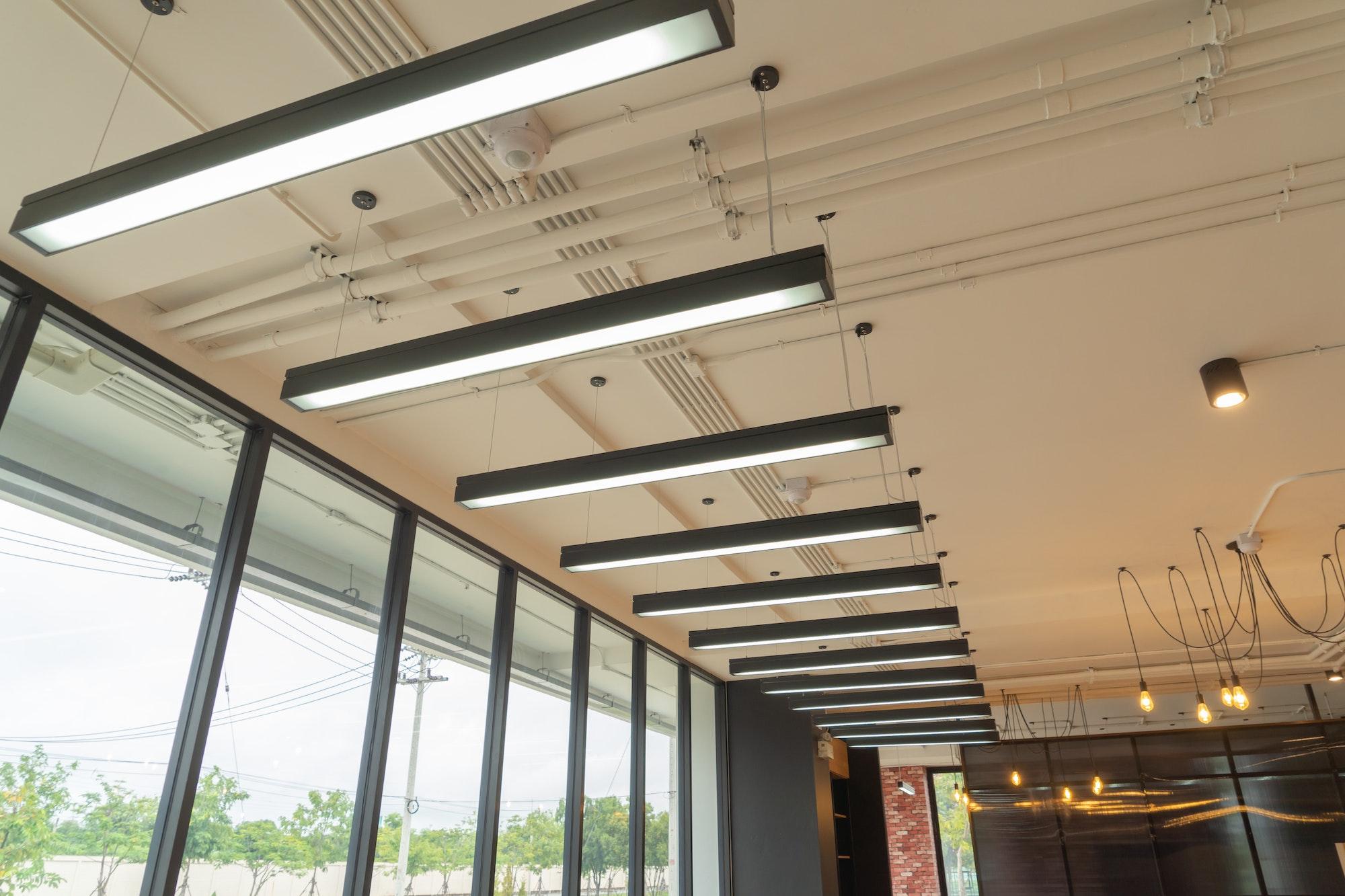
Poor lighting and noise control undermine even well-designed spaces. Natural light improves mood, energy, and productivity significantly compared to artificial alternatives. Maximize daylight access where possible, supplement with quality artificial lighting that mimics natural light, and give people control over their immediate lighting when feasible.
Similarly, acoustics make or break space functionality. Open offices fail primarily due to noise issues, not openness itself. Sound-absorbing materials, strategic layout, and acoustic treatments turn chaotic environments into functional ones. Moreover, provide quiet zones for focused work and appropriate spaces for naturally noisy activities like phone calls or collaborative discussions.
What’s interesting is how often businesses invest heavily in furniture and finishes while ignoring fundamental environmental factors that affect daily experience far more. Frankly, great lighting and acoustics in modest spaces outperform poor lighting and acoustics in impressive ones.
Reflect Brand Identity Authentically
Your physical environment should embody your brand, not contradict it. Colors, materials, artwork, and overall aesthetic communicate messages whether you intend them to or not. Ensure these messages align with your brand positioning and values.
That said, avoid heavy-handed branding that feels forced or overwhelming. Subtle integration often works better than logo-plastered walls. Additionally, authenticity matters more than polish. Spaces that feel genuine to your culture resonate more than those trying too hard to impress. Let me be honest: clients and employees both detect and reject inauthentic environments that claim values the organization doesn’t actually embody.
Plan Technology Integration Thoroughly
Technology infrastructure often gets added as afterthought, creating cable chaos and limited functionality. Plan power, data, and AV integration from the start. Where do people need connectivity? What collaboration technology supports your work style? Moreover, make technology invisible or intentionally visible based on whether it supports or distracts from the environment you’re creating.
Additionally, future-proof infrastructure within reason. Technology evolves faster than spaces get renovated, so build in capacity for changes you can’t predict. That said, don’t over-invest in bleeding-edge technology that might be obsolete before you fully implement it. Balance capability with proven reliability.
Compare Environment Design Approaches
Consider Sustainability and Health
Environmental sustainability and occupant health increasingly affect both costs and talent attraction. Energy-efficient systems reduce operating expenses. Healthy materials and good air quality improve wellbeing and productivity. Moreover, sustainability credentials matter to many clients and employees.
Additionally, sustainable design often aligns with cost efficiency over time. Initial premiums for efficient systems typically pay back through reduced operating costs. That said, don’t pursue sustainability certifications purely for marketing if they don’t deliver actual operational or talent advantages in your specific market.
Design Outdoor and Transitional Spaces
Outdoor areas and connections to nature improve wellbeing and creativity when climate permits. Even small outdoor spaces or indoor plants provide psychological benefits. Moreover, thoughtful design of entry sequences, outdoor meeting areas, or break spaces enhances overall environment quality.
Understanding how to maximize outdoor connection, as explored through resources like click here, offers principles applicable to business environments as well. What’s interesting is how even businesses without significant outdoor access can incorporate nature through materials, views, and biophilic design elements.
Plan Maintenance From the Start
Beautiful spaces that deteriorate quickly waste initial investment. Design choices should consider maintenance requirements and build in systems for ongoing care. Durable materials in high-traffic areas, cleanable surfaces in appropriate locations, and accessible systems for service all reduce long-term costs and preserve appearance.
Moreover, establish maintenance schedules and budgets from day one. Deferred maintenance compounds exponentially, turning minor touch-ups into major renovations. Additionally, choose finishes and materials appropriate to your actual maintenance capacity. Stunning materials requiring constant care become shabby quickly in organizations without resources to maintain them properly.
Budget Realistically and Prioritize Wisely
Environment design easily spirals beyond budgets when every option sounds appealing. Establish clear budget limits from the start and prioritize ruthlessly within them. What must you have versus what would be nice? Where does strategic investment deliver real returns versus just looking impressive?
Additionally, phase implementation if budget constraints demand it. Do critical areas well rather than everything poorly. You can always enhance spaces later as resources allow. That said, some infrastructure investments like power and data make sense to do right initially even if finishes get phased. The catch? Phasing requires discipline to resist scope creep that undermines the phasing strategy.
The Bottom Line
Designing business environments that drive performance requires aligning space with strategy, prioritizing function before aesthetics, and investing strategically in client-facing areas. Design for flexibility and evolution, balance collaboration with focus, and create psychological safety and comfort. Optimize lighting and acoustics, reflect brand identity authentically, and plan technology integration thoroughly. Consider sustainability and health, design outdoor and transitional spaces thoughtfully, plan maintenance from the start, and budget realistically with clear priorities.
The businesses with most effective environments aren’t necessarily those with biggest budgets or most impressive designs. They’re the ones that understand how space affects performance, invest strategically in elements that matter most, and create environments authentically aligned with their culture and strategy. Their thoughtful approach to environment design delivers competitive advantages through enhanced productivity, client perception, and talent attraction that poorly designed spaces undermine regardless of other strengths.